


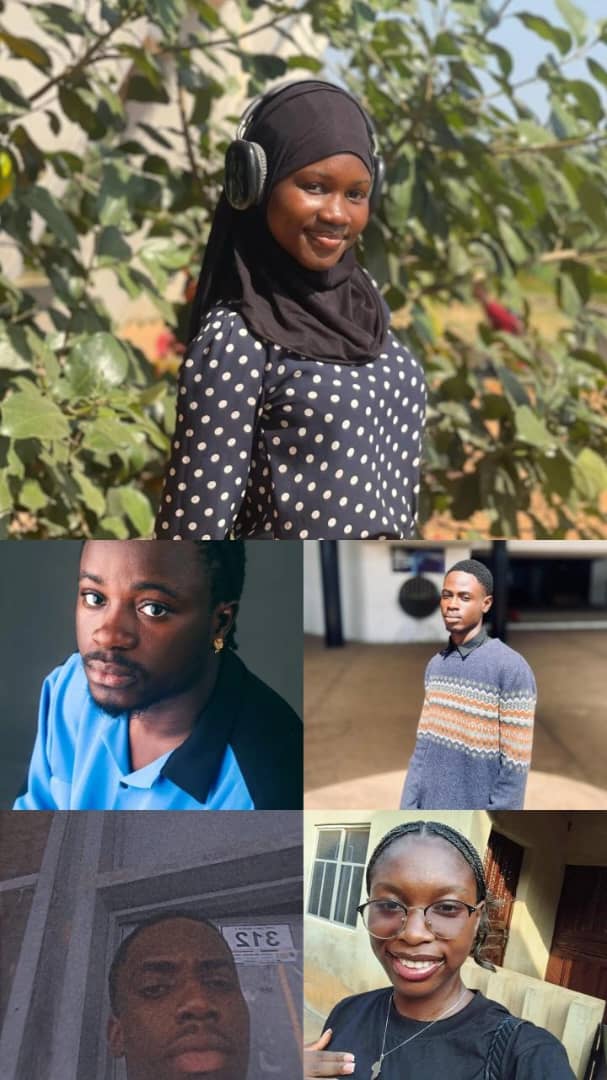
Great Ife’s creative students are building full-time jobs and dreams apart from their degrees, and it is taking a real toll on their minds, souls, and bodies, the school is for ‘sports and struggle’ as in the anthem, and between deadlines, intense stress, extreme hot sun, side gigs, and family expectations, the students are reinventing their own survival routines to stay alive, make money, pursue their dreams and stay sane using several ways they can do come up with.
Based on a conducted survey, a large percentage of the featured creatives spend around 5 and 20 extra hours every week on music, film, design, or writing whatsoever field they are in, right in addition to lectures, practicals, presentations, field trips, quizzes and assignments. To cap it all, the biggest stressors they mentioned are money and funding, intense academic workload, which is the main thing, creative block, lack of sleep, family expectations, and poor access to equipment or space to create, amongst many others.
Additionally, for most of creatives, the fear is not just about failing courses but right about ‘wasting time’ on their art, while also trying to see a life for themselves in a field of their course and also trying to see themselves trying to follow their passion as it is a world of creatives in this age and passion and dreams are pushing young Nigerians across the borders of the country. Still, they keep showing up for rehearsals, shoots, designs, and performances, and this is them saying, and well, trying to prove that their passion can actually coexist with their degree.
READ ALSO: Betting Fever on Campus: Students Speak on Hidden Costs
Ogunyemi Ameerah(AmikaVisuals): Doing more work and listening to music

Ogunyemi Ameerah, a 200L Psychology student who is behind the visual brand AmikaVisuals, works in film-making, photography, and videography. In a normal week, she spends between 11 and 20 hours on creative work outside school, while attending classes, and dealing with the stress and hot sun.
Her stress list is quite long; it includes: money and materials, academic workload, creative block, family expectations, lack of sleep, comparison with others online, disapproval from family, limited space or equipment, and the fear that art might be wasting time. When it gets too much, and she cannot handle it, Ameerah says she listens to music from artists like TI Blaze, Seyi Vibez, while she also overworks herself even more and uses new tasks to drown out the stress of older ones. Writing has become her small mental-health anchor, one habit that helps her process everything happening around her.
Onabowale Raphael takes walks, listens to music, and puts his phone on DND

Onabowale Raphael Akinlabi, a 300-level student in Computer Science with Mathematics with the nickname RAYGMI, combines writing and digital design. He also puts in 11 to 20 hours weekly into his creative work outside of lectures and school stress.
His main sources of stress are money, academic workload, creative block, lack of sleep, and lack of equipment or space, and when things get overwhelming, he gets to takes long walks while playing music to calm himself down. His ‘save my mental health habit’ is simple, he just puts his phone on ‘Do Not Disturb’ and when stressed, he pretends he did not see certain texts, to protect his headspace from stress or thinking too far. His message to everyone is direct: being kinder and more understanding of creatives doesn’t hurt, and to his fellow students, he says they should never give up on their dreams.
Pelumi Oyedeji (Showers): choosing sleep over anything else for her mental health

Pelumi Oyedeji(Showers), a 500-level student of Crop Production and Protection from the Faculty of Agriculture, works mainly in graphic design and digital art. She spends at least 5–10 hours a week on creative work alongside all her final-year responsibilities.
For Showers, the biggest stressors are money and academic workload. Unlike the popular ‘no sleep, just hustle’ narrative and trying to overwork, she has learned to always sleep when things get too much, and that works for her. This is a great coping mechanism and thus her key mental health routine, the same one, which is choosing rest over forcing herself to keep going even when she has deadlines, and there is too much to do, she just finds a way to balance it up.
What she wishes lecturers and everyone around understood is that some students are not just creating for the fun of it, they are using these skills to cater for themselves and handle their upkeep in school, which is very important for their survival and performance in school. This financial reality is right under many assignments handed in late at night, reading and studying even while working, and a lot of tired faces in morning classes.
Cezie: He prays, listens to the radio, and surprisingly farms tomatoes

Cezie, a 400-level History student who does music (performance or production), spends 5 to 10 hours on music in addition to academic work each week. His main stress points include money, family expectations, lack of sleep, comparison with others online, and lack and ansof space or equipment.
And when the pressure is high, Cezie turns to prayers, evening walks, listening to the radio, and surprisingly farming tomatoes. Gardening tomatoes has become the one small habit that grounds his mental health, which is surprising, giving him something slow and alive to care for away from screens and tight deadlines. He gives a powerful message about life being brief and actually heart-warming: ‘It is not easy,’ and he says and gives another reassurance to other creatives that their dreams are very valid.
Samuel (Riidiim): He finds balance in motion and sports

Samuel, a 300-level student of Public Administration who goes by the creative name Riidiim, is also a music Artist (performance or production), and he spends around 5–10 hours weekly on his music outside normal school stress.
His stress comes mainly from money, academic workload, and creative block. To deal with being stressed, Samuel listens to a lot of music and sometimes takes walks, using movement and sound to clear his foggy head. Another key thing that helps him is engaging in sporting activities, which gives his body and mind a different kind of balance right away from the studio and school stress.
Samuel’s advice to other students is just very practical. He says, ‘as a student and a creative, try to find a way to balance talent and academics before fully venturing into it.’
What Great Ife needs to hear
Across these stories, some discourses stood out: all OAU students are stressed, the creatives are under intense pressure, and their survival kit is made of very small, very personal routines. From Ameerah using work, music and writing to deal with her stress, to Raphael’s DND important rule, Shower’s decision to always sleep, Cezie’s listening to the radio and tomato gardening, and Samuel’s walks and sports, each habit is just a quiet act of resistance against getting burned out and dealing with their mental health
To say it all, what many of them are asking from the people is not special treatment but just a simple understanding of them. Lecturers, classmates, strangers and even families need to deal with it that creative work is not ‘wasting time’, but actually a real path, and this sometimes is the only way students fund their lives, express themselves, or build a future that is beyond their degree and certificates. And this is for Great Ife creatives, the shared message is very clear: keep your small routines close, pray to God, protect your mental health, and remember that your dreams are valid and one day it will look soft even when the semester makes everything feel choky and beyond your grasp