


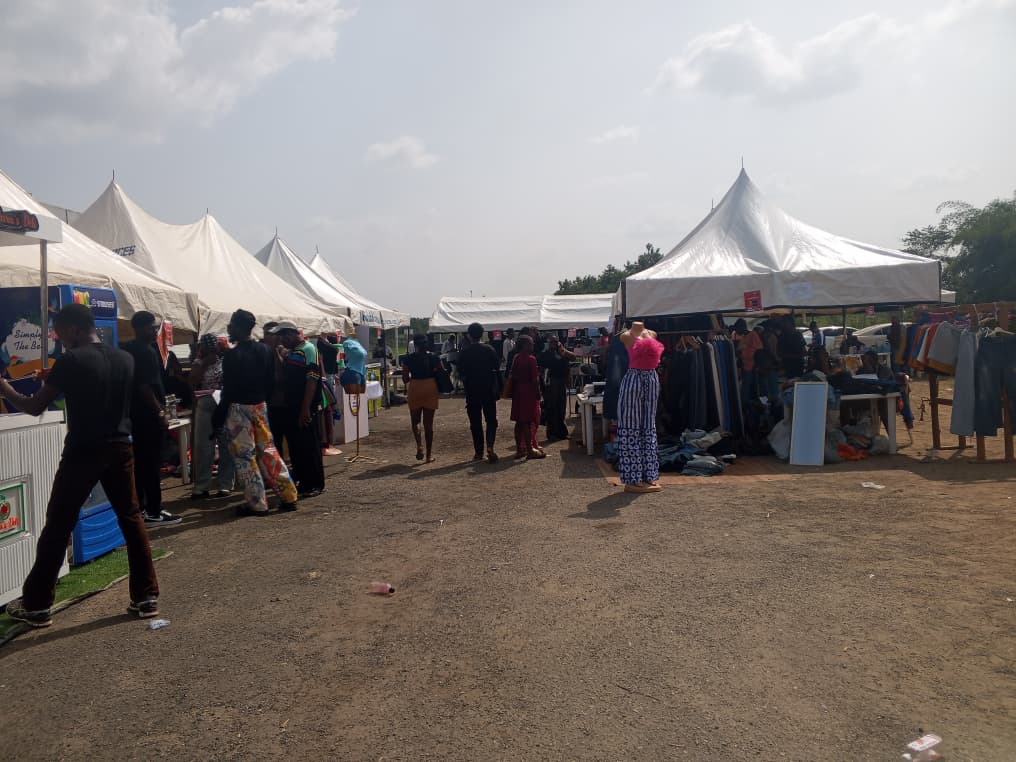
The Great Ife Students’ Union rolled out the Food Relief Initiative 3.0, which lasted for two days, Thursday, 4th December, and 5th December. The event was aimed at mitigating the impact of rising food inflation on the student populace.
The initiative, spearheaded by the Office of the Welfare Officer, was aimed at providing essential food items to all students on campus, most especially students struggling financially with feeding on campus. The first two of its kind were done by previous tenures, showing the Union’s commitment to student welfare amidst Nigeria’s hard economic most, especially on food, which is an essential for students.
READ ALSO: PGSA Conducts First Parliamentary Leadership Election
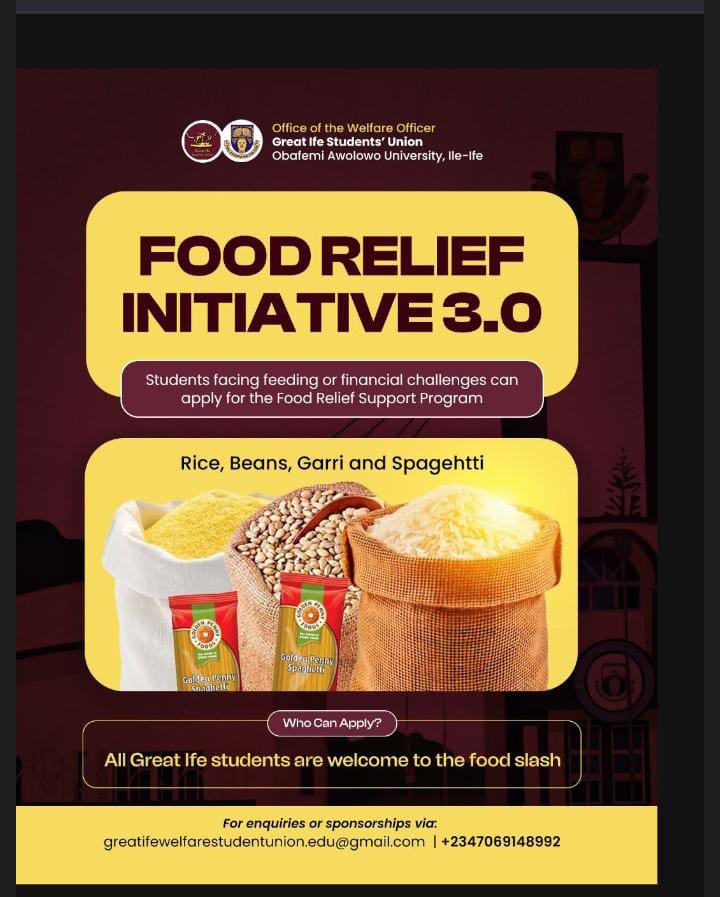
According to the official announcement, students were encouraged to come to the Food Relief Support Program to buy some selected food items for a very low price. The food items listed for distribution according to the flier included Rice, Beans, Garri, and Spaghetti, which are essential components of the average student’s diet.
The Food Relief Initiative 3.0 started on Thursday, 4th December and ended on 5th December, providing essential food items to multiple students at a low price. The two-day exercise, spearheaded by the Union’s Welfare Directorate, was generally met with positive feedback, though the second day introduced a notable adjustment to pricing.
Day One: Launch and Smooth Distribution
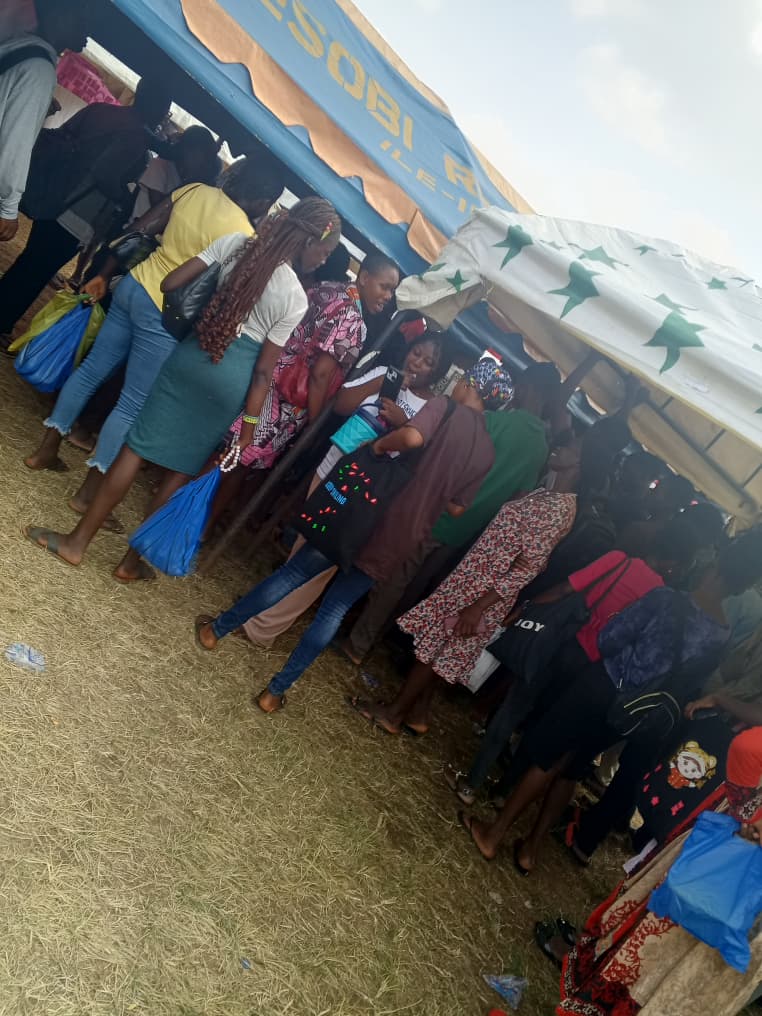
The initiative kicked off on Thursday, December 4th, with a massive distribution effort for all students. The initial packages included essential food items such as rice, beans, garri, and spaghetti. The distribution process, aimed at subsidising key food items, reportedly saw long queues but maintained order, and there was a lot of misunderstanding, which was settled without turning into a conflict. Though students claim that 2000 students attended on the first day and they were required to buy any food item at certain quantity, which included one congo of ridge and one spaghetti.
Speaking with John, a Part 1 student from the department of Microbiology. He said he got to know the trade fair through the flier, sent to a group he was and he registered through the link. He said, ‘When I heard about it, I was hoping to get more than one Congo of each product. Unfortunately, I was told I can get just one Congo, which makes me feel bad about it, but I like the fact that it was discounted’
Summayyah a Part 2 students of Sociology and Anthropology Department stated that when she was about to get her own food stuff she was denied of getting more than 1 Congo of rice and was asked to pick whether Rice or Spaghetti stating that Garri is not available for the first day but will be made available the second day in which she complied and just got one Congo of Rice for ₦700.
Temitope, who was assisting in distributing the food to the students, said on the first day, it is either you buy both, that is 1 spaghetti and 1 Congo of Rice for ₦700 each or just buy 1 Congo of Rice, and there was no shortage of food at all. In fact, ‘we were waiting for students to come around after we attended to everyone in the queue, and we waited for up to one hour around 4:00 pm – 5:00 pm’, in her words.
Speaking with Abdulroheem Arogunbade, who was part of the committee helping to disburse the food to the students after payment, stated that Rice was made available yesterday, while some were able to get more than one Congo, while some were also able to get Spaghetti with Rice on the first day. He stated that the initial plan was to sell the food to about 10,000 – 15,000 students, but due to some logistics issues that came up with the company they partnered with hinder the shortage in food for the second day. He said he was there throughout the previous day, and everyone who demanded more than 2 Congo was able to get it, but he won’t say what the students said wasn’t true. What he was certain about is that everyone he knows was attended got more than a Congo and was able to mix Spaghetti with it.
Day 2: Continuation
On the second day of the initiative, a critical change was implemented: the subsidised price for rice was adjusted to ₦1,000 per congo and was much available in the morning. While Garri was sold for almost throughout the day, Rice and Spaghetti were promised to be sold later in the evening. Some students said the trade fair should have been restricted to those who registered through the link alone, but everyone was allowed to which made the query huge and slow which discouraging some students who actually registered to participate.

Plans are underway to make the next edition bigger – Welfare Director
In an interview with Great Ife Students’ Union Welfare Director, Musab Shuaib, he stated that the purpose of the initiative was to see that every student is able to get food items at a very low rate so as to reduce the cost of living for students, especially on food. He continued by stating that due to his experience and what he has seen amongst students, he was able to come up with this initiative. He made it known that the initiative initially planned a certain number of students, but was able to feed 3500 students because of some issues.
The Welfare Director stated further that only rice and spaghetti were made available on the first day, while on the second day, rice, garri and spaghetti were made available. He made it known that he has plans to make the next edition bigger and free, which will probably be a good initiative like this or a food relief festival.
He said that plans are being made for more of this initiative, and more opportunities are still coming, not just in food alone but also in other areas like scholarships, health conferences, and so on. Also, plans are going on for renovations of restrooms on campus and more, but the union is still looking for sponsors and partnerships to execute these plans.
With the successful distribution spanning two days, the Food Relief Initiative 3.0 has affirmed the Students’ Union’s commitment to welfare. The Union now faces the task of consolidating the feedback received and planning for more sustainable, long-term interventions that can withstand market fluctuations and consistently support the Great Ife student community.