



By 8:00 a.m, before lectures begin, some students are already responding to customer messages, packing orders, or checking cake deliveries. On campus today, textbooks are no longer the only tools students carry; many now engage in busy ideas alongside their academic pursuits. Many students, in an effort to make life easier and become financially independent, have ventured into various businesses. However, while some students find side hustles empowering, others struggle to balance business and academics, which can lead to distraction from their primary purpose on campus — education.
READ ALSO: Students Barred from SED 001 Exam Over Memo Miscommunication; Rescheduling Planned
Students on campus have shared mixed experiences about managing side hustles alongside their studies.
Temitayo, a 300-level student studying Information Science, runs a thrift brand where she sells thrift wear to students on campus. According to her, discipline and proper planning have helped her maintain balance. She sets specific days and times to focus on her business and other days strictly for her academics. ‘My business has never affected my grades,’ she said. ‘Instead, it has empowered me.’ Beyond financial benefits, Temitayo also explained that her business provides an avenue for social interaction and networking.

Similarly, Lere, a Political Science student, recently started a baking business. She admitted that balancing school and business has not been easy, especially because baking requires significant time and effort. ‘My business has not affected my grades,’ she said, ‘but it will, only if I decide to be unserious.’ Her statement provides an insight into the role of personal discipline in managing both responsibilities effectively.

However, not all experiences are positive. A 200-level Law student, popularly known as DEMA, the creative CEO of ‘Identity Room with DEMA,’ shared a different perspective. Her brand focuses on identity, intentional growth, creative writing, and content curation. ‘Yes, my business has affected my academic life, and I am just trying to get back on my feet,’ she admitted.
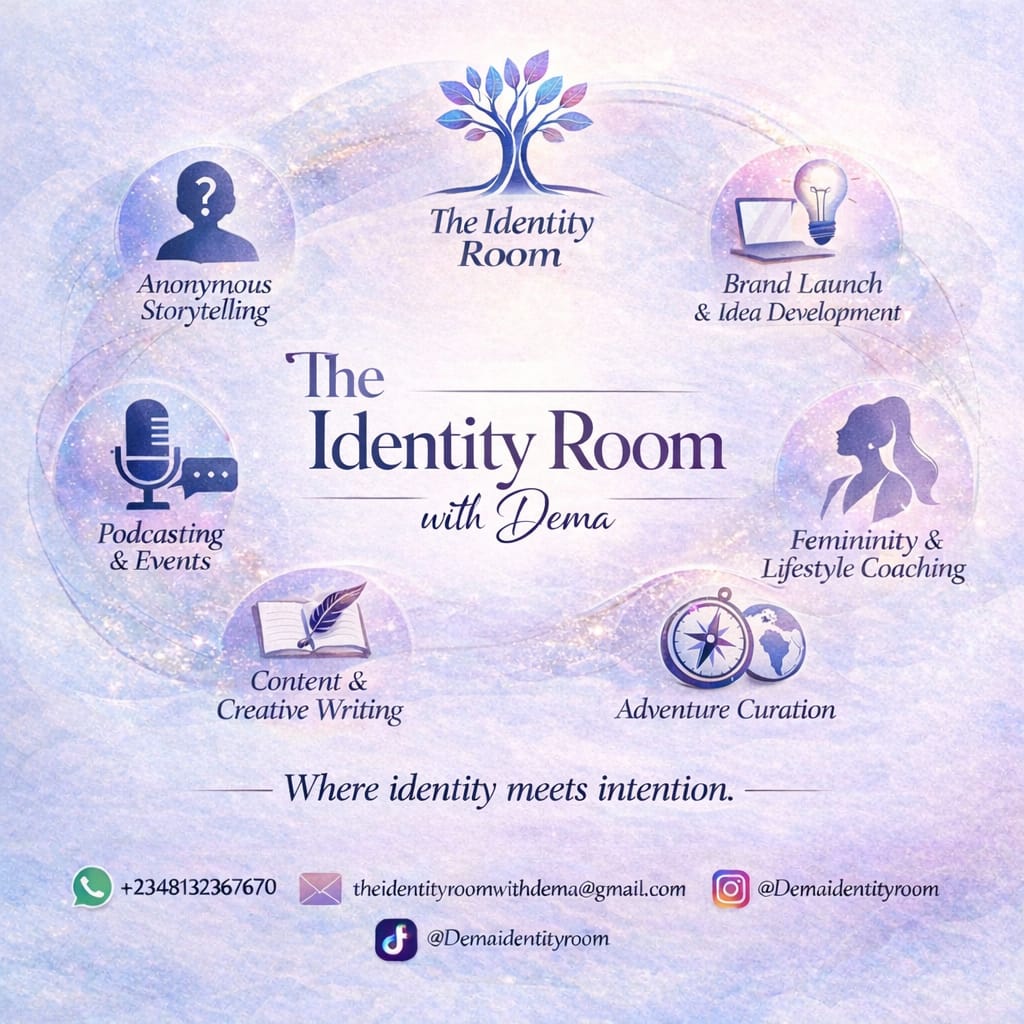
DEMA explained that balancing academics and business has been very demanding, especially because she is passionate about her brand and does not want it to fail. She has invested significant time and money into growing the platform. Despite the challenges, her business remains meaningful to her because it provides a safe space for self-expression and community building.
Favour, another student of civil engineering, PKA Dynamic Favour, is into egg sales and also runs bread supplies.
Favour says ‘balancing academic with work has not been a big deal so far’ as she sets apart specific days for her business an duas not see it as a barrier to her academics. Personally, her business has given her a sense of maturity and responsibility by putting herself out there to relate with customers on their best scale with Love.
The experiences of these students show that side hustles on campus can either be empowering or distracting, depending largely on time management, discipline, and personal priorities. In addition, the need for side hustles is necessitated by the economic realities of the country.